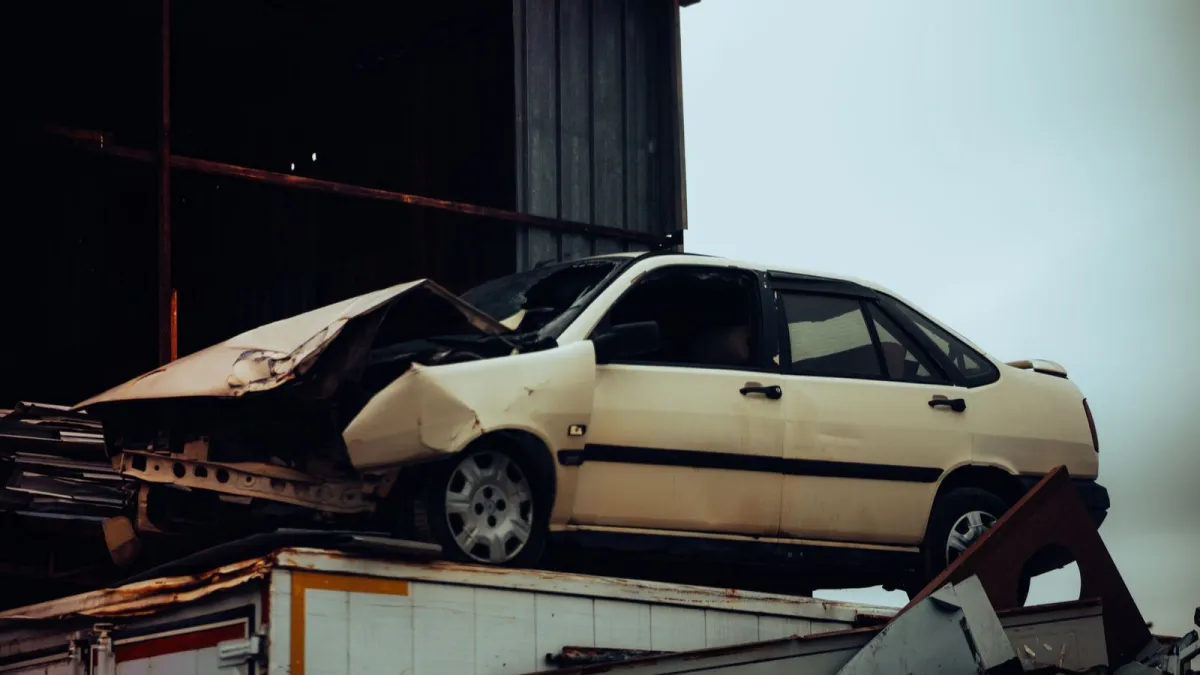
What can go wrong
Money owing on a car: how a buyer loses both the car and the cash
6 min readUpdated
If a car still has finance owing, the lender can repossess it after you buy it. Here is how that happens in Australia, and the one search that prevents it.
The debt belongs to the car, not the person
When somebody borrows money to buy a car, the lender usually registers a security interest against that specific vehicle. The interest attaches to the car itself. If the borrower sells it and stops paying, the lender's claim does not follow them. It stays with the vehicle, which is now in your driveway.
This surprises people because it is the opposite of how most debts work. A seller's credit card debt is theirs. A car loan secured against the car is, in a practical sense, the car's.
The lender can repossess. You would be left to chase the seller for your money, which in a private cash sale usually means chasing somebody who has already spent it.
The register that records it
Security interests over vehicles are recorded on the Personal Property Securities Register (the PPSR), a national register run by the Australian Government. Lenders register there because an unregistered interest is far weaker; it is in their interest to be findable.
That is what makes the search worth doing. The people most likely to have a claim over the car are the people most motivated to have recorded it.
Why the search protects you, and a phone call does not
The Personal Property Securities Act gives a buyer real protection, and it is tied to the search rather than to good faith. If you search the register by the vehicle's serial number (its VIN or chassis number) and nothing is registered against it, you generally take the car free of any security interest that was not registered at that moment.
The protection comes from having searched by serial number and from what the register said at that time. Asking the seller is not a substitute: an honest seller may not know what their lender registered, and a dishonest one has every reason to say no.
This is also why the search certificate matters more than a screenshot. It records the search number and the moment the search was made, which is the evidence that you looked and what you were told.
What to do before you hand over money
Do the search yourself, against the VIN you have read off the car in front of you, not one the seller has sent you.
- Find the VIN on the vehicle: compliance plate, driver's door frame, or the lower corner of the windscreen.
- Check it matches every document the seller has shown you.
- Search the register against that VIN, and keep the certificate.
- If anything is registered, do not proceed on a promise that it will be paid out after the sale. Ask for a payout letter from the lender, and confirm the discharge before money moves.
Common questions
- Can a car be repossessed after I have bought it?
- Yes, if a security interest was registered against the vehicle and you did not search the register by its serial number before buying. The lender's claim attaches to the car, not to the person who owed the money.
- Does a receipt from the seller protect me?
- No. A receipt is evidence you paid, which helps you sue the seller. It does not defeat a registered security interest over the vehicle.
- What if the PPSR search shows money owing?
- Do not pay yet. Ask the seller for a payout letter from the lender, confirm it with the lender directly, and arrange for the loan to be paid out before or as you buy. Search again once the lender has removed its registration, and keep the clear certificate.
Check the car you are looking at
Enter an Australian plate or 17-character VIN. Run an instant free identity check, then add the official register searches this guide is about.